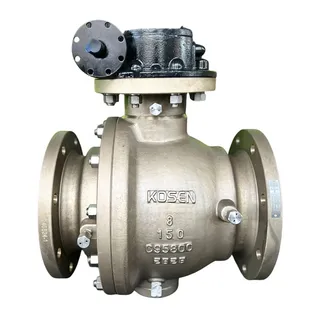
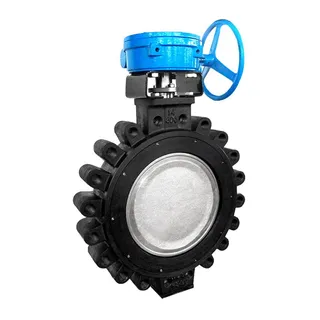
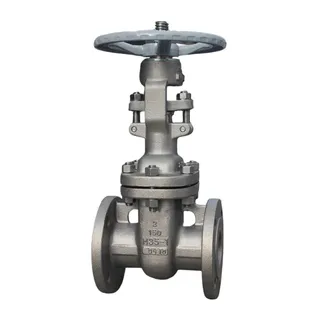
Read the latest news on industrial valves and valve technologies. Here, you'll find updates on new products, helpful maintenance tips, and the latest trends in the industry. Whether you're interested in learning about new valve features, ways to keep your equipment running smoothly, or what's coming next in valve technology, we've got you covered with all the essential information.
1-12 of 176 results
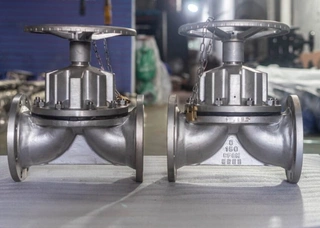
Diaphragm Valve Leakage: Causes, Detection & Prevention
Industry News
Mar 18, 2026
0
This comprehensive guide explores diaphragm valve leakage in industrial systems, analyzing causes such as material aging, valve seat wear, installation errors, and operating beyond design limits. It details effective detection methods, including visual, flow, pressure, and bubble tests, and provides practical preventive maintenance strategies. The guide also covers diaphragm replacement procedures and material selection for optimal performance. By understanding these factors and implementing regular inspections and proper maintenance, operators can minimize leakage, extend valve life, ensure system efficiency, and enhance safety across applications in pharmaceuticals, chemicals, food processing, and dust collection systems.
Swing Check Valve: Structure, Principle & Application
Industry News
Mar 17, 2026
0
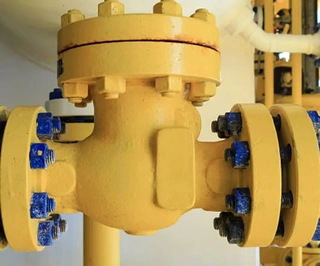
A swing check valve is an automatic non-return valve designed to prevent backflow in piping systems by using a hinged disc that opens and closes based on fluid pressure and gravity. Known for its simple structure, low flow resistance, and reliable operation, it is widely used across industries such as water treatment, petrochemical, power generation, HVAC, and fire protection. The valve's performance depends on proper material selection, sizing, installation, and consideration of factors such as water hammer, flow conditions, and sealing requirements. With advantages including durability, ease of maintenance, and cost-effectiveness, swing check valves remain a fundamental solution for ensuring safe and efficient unidirectional fluid flow.
Floating Ball Valve: Design, Principle, Type and Application
Industry News
Mar 16, 2026
0
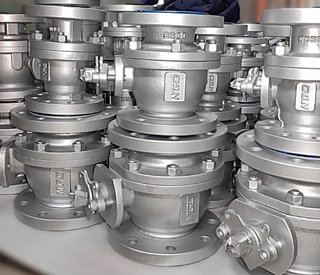
Floating ball valves are fundamental components in industrial fluid control systems, widely used across oil and gas, chemical, power, water treatment, and food industries. Their operation relies on a freely floating ball that aligns or blocks fluid flow through the pipeline, providing reliable sealing, low operating torque, and ease of maintenance. Available in various designs—including two-piece, three-piece, top-entry, and side-entry configurations—and with soft or metal seats, floating ball valves can accommodate a range of pressures, temperatures, and media types. They offer cost-effective, durable, and versatile solutions for frequent on/off operations, though they have limitations in high-pressure, high-temperature, or large-diameter applications. Understanding their working principle, structural types, standards, and selection criteria ensures optimal performance, safety, and long-term reliability in industrial systems.
Sealing Technology in Resilient Seated Gate Valves
Industry News
Mar 14, 2026
3
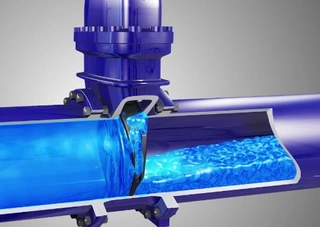
This article provides a comprehensive overview of the sealing technology used in resilient seated gate valves widely applied in municipal water supply systems. It explains the fundamental sealing principles based on elastic rubber deformation, compares the two main gate sealing structures—stop-type and wedge-type—and discusses the critical role of rubber materials such as EPDM in ensuring long-term reliability. The article also analyzes the triple O-ring stem sealing system, highlighting its advantages over traditional packing structures, and outlines common sealing failure modes including rubber aging, wear, deformation, and mechanical damage along with preventive measures.
V-Port Ball Valve vs. Knife Gate Valve
Industry News
Mar 13, 2026
5
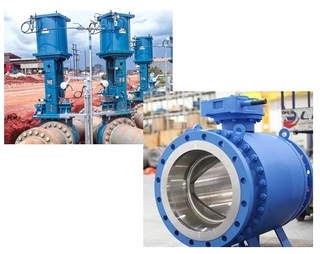
This article provides a comprehensive comparison between V-port ball valves and knife gate valves, two widely used valves in industrial fluid control systems. It explains their structural principles, working mechanisms, sealing options, and typical applications across industries such as mining, wastewater treatment, chemical processing, and pulp and paper. The guide highlights the key differences between the two valves in terms of flow regulation capability, shut-off performance, media compatibility, and operating conditions. By analyzing factors such as process requirements, media characteristics, pressure and temperature conditions, and economic considerations, the article offers practical recommendations to help engineers and project planners select the most suitable valve for reliable and efficient industrial operations.
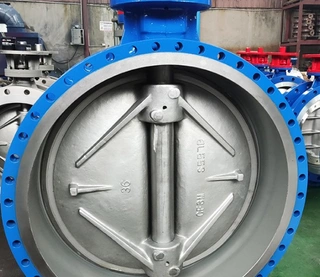
Bidirectional Sealing of Triple-Eccentric Butterfly Valve
Industry News
Mar 12, 2026
2
The triple-eccentric bidirectional sealing butterfly valve is an advanced industrial valve designed for precise flow control and reliable on-off operation. Its unique triple-eccentric design, floating seat, composite seal, and wedge-block transmission enable bidirectional zero leakage, reduce operating torque, and extend service life. Suitable for high-temperature, high-pressure, and corrosive media, it is widely used in petrochemical, metallurgical, power, water treatment, and other industrial systems where safety, durability, and performance are critical.
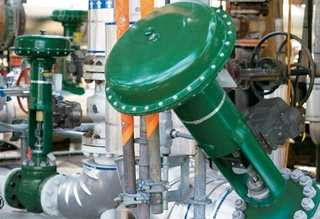
Globe Valve Selection and Application Guide
Industry News
Mar 11, 2026
3
This guide provides a detailed overview of globe valves, covering their structural types, advantages, typical applications, and key selection factors. It explains traditional T/Z-type, Y-type, angle, plunger, and double-seat designs, highlighting flow characteristics, pressure loss, and maintenance considerations. The guide also addresses material selection, operation methods, sealing performance, and installation best practices, helping engineers and professionals choose the right globe valve for efficient, reliable, and long-lasting performance in diverse industrial piping systems.
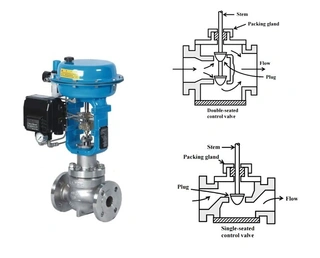
Single-Seated Control Valve vs. Double-Seated Control Valve
Industry News
Mar 10, 2026
3
Single-seated and double-seated control valves are two common types used in industrial fluid control systems, each offering distinct structural features and performance characteristics. Single-seated control valves provide excellent sealing performance and low leakage, making them suitable for clean media and applications requiring tight shut-off, while double-seated control valves feature a balanced structure that allows them to handle higher pressure differentials and larger flow capacities. This article systematically compares their structural principles, leakage performance, allowable pressure differential, flow capacity, and applicable operating conditions, and provides practical selection guidelines to help engineers choose the most appropriate valve solution based on process requirements, media characteristics, and economic considerations.
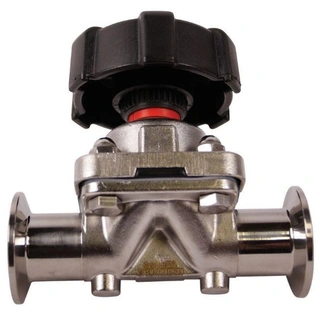
Sanitary Diaphragm Valve: Structure, Advantage & Application
Industry News
Mar 09, 2026
1
Sanitary diaphragm valves are specialized valves designed for industries with strict hygiene requirements, such as food, pharmaceuticals, and biotechnology. Using a flexible diaphragm as the sealing element, they provide complete isolation of the fluid from valve components, ensuring zero leakage, minimal contamination, and easy cleaning. Made from stainless steel and food-grade materials, these valves offer excellent corrosion resistance, low flow resistance, and simple maintenance. With versatile connection types and actuation options, they are ideal for handling viscous, corrosive, or high-purity media across diverse applications.
Top Entry Ball Valve: Design, Structure and Applications
Industry News
Mar 06, 2026
5
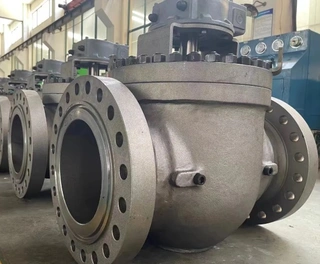
This article provides a systematic overview of top entry ball valves, focusing on their design principles, structural features, working mechanism, and sealing technologies. It explains the advantages of the double-inclined sealing structure, spring preload compensation, and different sealing material options for high-temperature, high-pressure, and corrosive service conditions. The guide also compares top entry ball valves with side entry designs, and highlights maintenance convenience, reliability, and flow performance. In addition, it discusses classification methods, application fields, and installation and maintenance considerations, offering valuable technical insight for engineering selection and industrial operation.
How to Choose Between DBB and DIB Ball Valves
Industry News
Mar 05, 2026
6
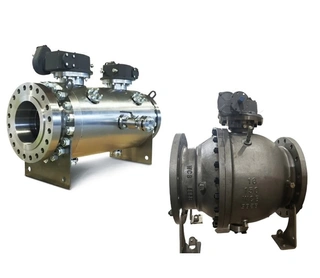
This article provides a comprehensive overview of DBB and DIB ball valves, two critical isolation technologies widely used in pipeline safety systems. It explains their structural design, sealing mechanisms, pressure management methods, and key differences in operational performance. Standards from American Petroleum Institute and Occupational Safety and Health Administration are discussed to clarify industry definitions and compliance requirements. The article also examines typical application scenarios across oil and gas, chemical processing, metering calibration, and municipal pipeline systems. In addition, practical selection principles are presented, covering media risk assessment, maintenance considerations, manufacturer qualification, and lifecycle performance. Overall, it serves as a technical guide for engineers and procurement professionals seeking reliable zero-leakage isolation solutions.
Complete Installation Guide for Low-Temperature Valves
Industry News
Mar 04, 2026
6
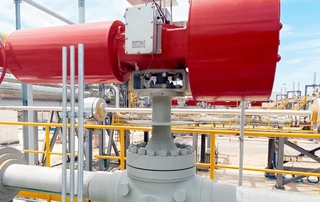
Low-temperature valve installation requires strict control of structure selection, material matching, orientation, support design, drying treatment, and commissioning procedures. Due to extreme temperature differences in cryogenic systems such as LNG and liquid gas transportation, improper installation may cause valve seizure, seal failure, or safety hazards. Following scientific installation principles and standardized operational practices can effectively reduce mechanical stress, prevent icing or thread locking, and ensure long-term stable and safe valve performance under cryogenic conditions.
Total 176 Records, 12 records per page